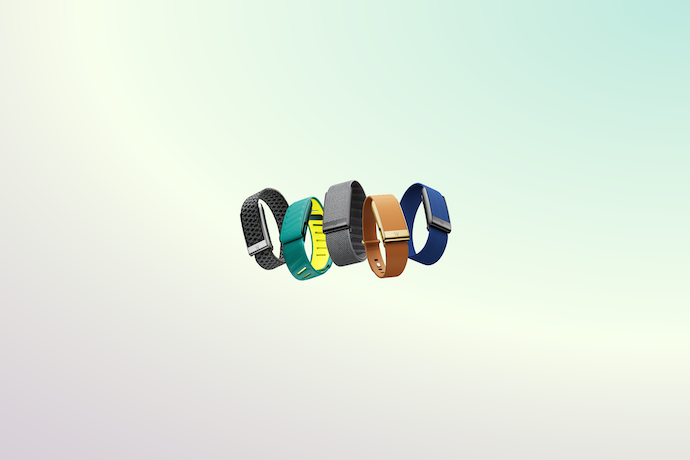
We tried WHOOP to track our sleep, fitness and recovery.
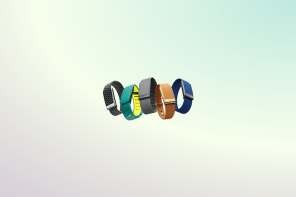
Staying fit is something we’re constantly trying to get better at, and wearable fitness trackers have been on our radar for some time. But the thought of having yet another screen on our wrist, constantly reminding us of steps taken and calories burned, feels exhausting. So when we discovered WHOOP, a screen-free fitness tracker that quietly monitors everything from sleep and recovery to daily activity and stress, we were curious enough to give it a try.
We were lucky enough to be sent a WHOOP with a one-year membership to put to the test. The concept is simply to wear it around the clock and let it get to know your body and gradually begin to understand the numbers. We were particularly interested in seeing whether tracking our sleep, fitness and recovery could tell us something useful about our daily routine and what we should change about it.
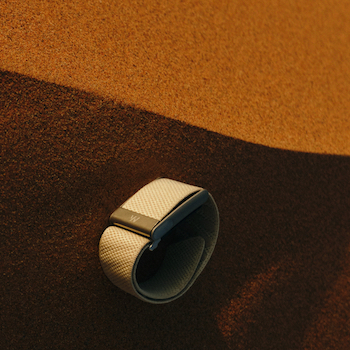
The first thing we liked about WHOOP is that, unlike traditional fitness trackers, there’s no screen to scroll through or constant reminders to get moving. Instead, everything happens through the accompanying app, where the information is neatly organised into three main categories: Sleep, Strain and Recovery.
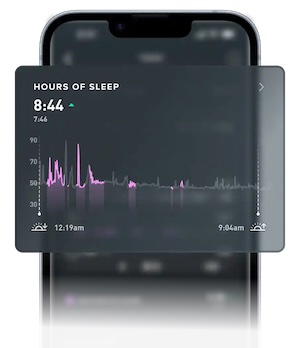
WHOOP estimates how much sleep your body needs, tracks how consistently you sleep and provides a detailed breakdown of your sleep quality, including time spent in deep and REM sleep. It also factors in your daily activity and any accumulated sleep debt, before suggesting when you should go to bed to get the rest you need.
Recovery is one of WHOOP’s most interesting features for us. Each morning, the app provides a recovery score based on physiological measurements, including heart rate variability, resting heart rate and sleep. The score is colour-coded, making it easy to see if your body is ready for a more active day or if it might be better to take things at a slower pace.
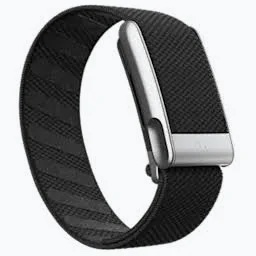
Then there is Strain, which looks at how much effort your body puts in throughout the day, rather than just what happens during a workout. From running errands and walking around, WHOOP takes into account both cardiovascular activity and muscular effort, giving you a clearer picture of how hard your body has been working. It also suggests how much you should push yourself based on your recovery that day.
We’ve also been using the WHOOP Journal to keep track of everyday habits, from how much coffee we’ve had to late dinners, hydration and meditation. Over time, WHOOP starts to identify patterns between these habits and your recovery. We were curious to see if something as simple as having coffee later in the day or eating late could make a difference to how well we sleep and feel the next morning. It’s a useful way to become more aware of those everyday habits we don’t usually think twice about.
We’ve only been wearing WHOOP for just over a week, so it’s still early days, but we’re already finding ourselves paying more attention to our sleep, recovery and daily habits. There is a membership fee to consider, and the numbers are best viewed as a guide rather than something to obsess over. What interests us most is how these insights might eventually influence the way we exercise, rest and go about our day. If WHOOP can help us make even a few small changes to our lifestyle, we think that’s reason enough to keep wearing it.
WHOOP is now available in Arabic for the first time.

Join our WhatsApp group and receive curated news and offers in your WhatsApp Feed